

You might assume that extension cords are simple enough to use without much thought, but electrical failures from improper cord maintenance cause thousands of fires annually. Regular inspection and proper storage aren’t just recommendations—they’re essential practices that prevent dangerous overheating and short circuits. Before you plug in another device, consider whether your cords have been inspected recently or if hidden damage has been silently compromising their integrity.
Why Extension Cord Safety Matters
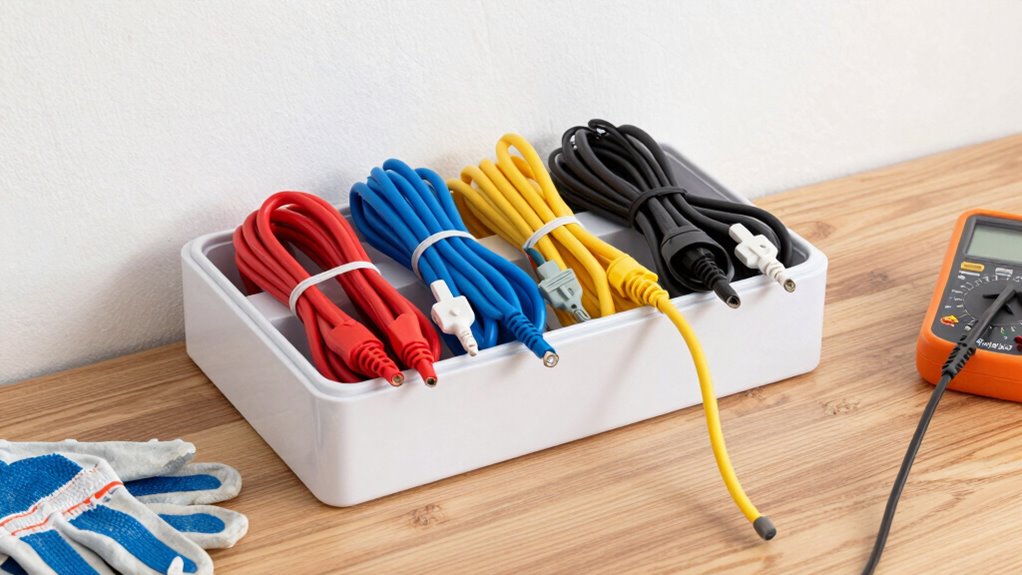
While extension cords seem like simple tools, improper use can lead to electrical hazards that pose serious risks to both property and personal safety. You must understand that damaged cords, overloaded circuits, and incorrect gauge selections create fire hazards and electrical shocks.
These incidents aren’t just statistics—you’re part of a community where preventable accidents affect everyone’s safety. Proper extension cord maintenance protects your family, colleagues, and neighbors. You have a responsibility to follow safety protocols because electrical failures can devastate entire buildings.
Don’t underestimate the importance of correct storage, appropriate load management, and regular inspection routines. Your diligence prevents catastrophic failures that could injure people you care about and destroy property you value.
Spot Early Signs of Damage
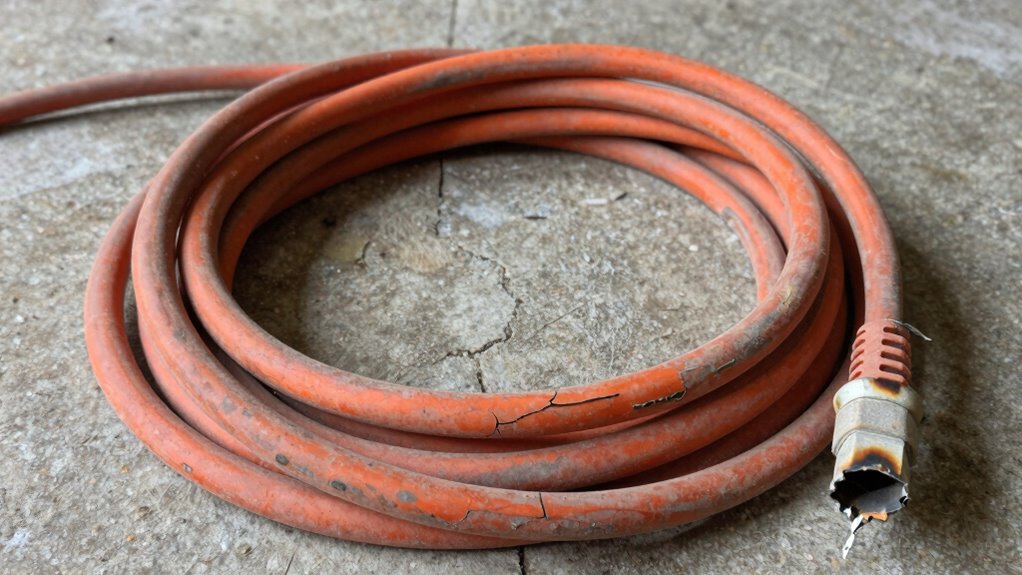
Regular inspection routines form the backbone of extension cord safety, and recognizing early damage indicators prevents catastrophic failures.
You should examine cords weekly for fraying wires, loose connections, or cracked plugs. Look for overheating signs like discolored outlets or warm plugs during use. Check connectors for corrosion or bent pins that compromise electrical contact.
Monitor cord jackets for cuts, abrasions, or stiffness that signals material degradation. Pay attention to areas where cords bend frequently, as these spots experience accelerated wear. Notice any flickering lights or intermittent power delivery, which indicates internal wire damage.
Test ground fault circuit interrupter outlets regularly. You must replace damaged cords immediately rather than attempting temporary repairs. Professional electricians recommend retiring cords showing multiple warning signs simultaneously.
Your safety depends on proactive identification of these critical early warning indicators.
Check for Damaged Insulation Easily
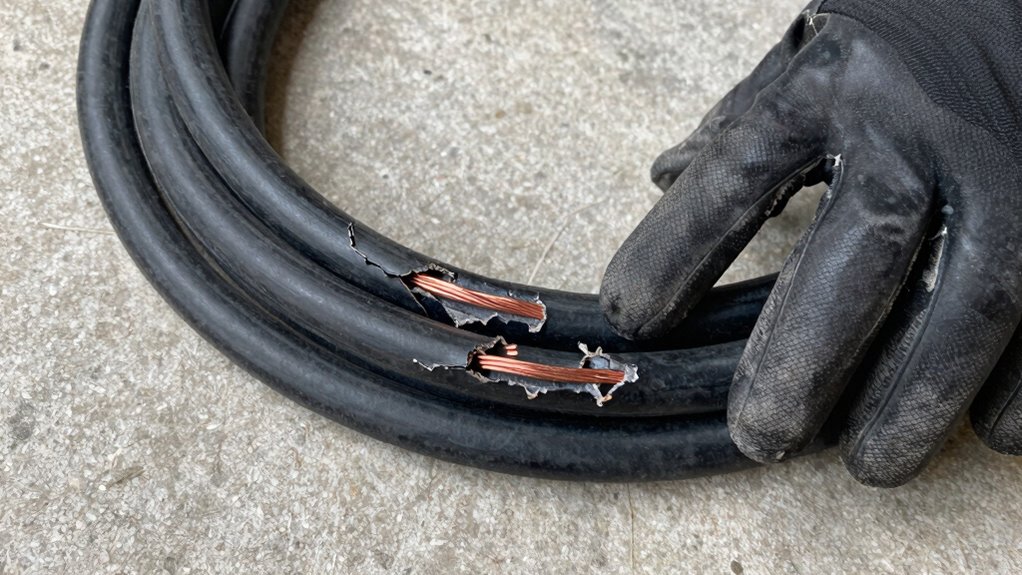
You should inspect wire sheathing regularly for cracks, cuts, or fraying that compromise insulation integrity.
Test cord flexibility monthly by bending sections to detect stiff or brittle areas that indicate internal damage.
Examine plug connections weekly for loose fits, corrosion, or heat damage that could create electrical hazards.
Inspect Wire Sheathing Regularly
Because damaged wire sheathing poses serious electrical hazards, you must regularly inspect extension cord insulation for signs of wear.
Look for cuts, cracks, or abrasions that expose internal wires. Check connectors and plugs for loose connections or melted plastic. Feel along the entire cord length for irregularities or thinning spots. Pay special attention to areas near outlets and heavy-traffic zones where damage occurs frequently.
Replace any cord showing visible damage immediately—don’t attempt temporary repairs with tape or connectors. Damaged sheathing creates fire risks and electrical shock dangers that threaten both property and personal safety.
Make inspection part of your routine maintenance schedule. Keep replacement cords available so you’re never tempted to use compromised equipment. Your safety depends on maintaining intact wire sheathing.
Test Cord Flexibility Monthly
Monthly flexibility testing reveals insulation damage that might otherwise go unnoticed during visual inspections. You should bend extension cords gently in multiple directions to check for cracking or stiffness.
Damaged insulation often feels brittle or develops small fissures that compromise electrical safety. Run your hands along the cord’s length while flexing it, feeling for irregularities or rough spots. Pay special attention to areas near plug connections and middle sections where stress occurs frequently.
If you detect any cracking sounds or feel unusual resistance, replace the cord immediately. Don’t overlook older cords that may appear fine visually but have degraded internally.
Regular flexibility testing prevents electrical hazards and maintains peak performance. Make this monthly ritual part of your safety routine. Your diligence protects both equipment and personal safety while extending cord lifespan effectively.
Examine Plug Connections Weekly
Weekly inspection of plug connections prevents unexpected electrical failures and identifies insulation damage before it becomes hazardous.
You should grasp each plug firmly and examine where the cord meets the connector housing. Look for cracks, fraying, or discoloration that indicates overheating. Check both male and female ends carefully. Damaged insulation exposes conductors, creating shock and fire risks.
You’ll want to feel along the entire plug body for gaps or soft spots. Wiggle connections gently to test for loose internal wiring. If you notice any deterioration, replace the cord immediately.
Don’t attempt temporary fixes with tape or splice connectors. Professional electricians always carry spare cords because they understand that compromised connections jeopardize entire electrical systems.
Your safety depends on these routine checks.
Handle Frayed or Exposed Wires
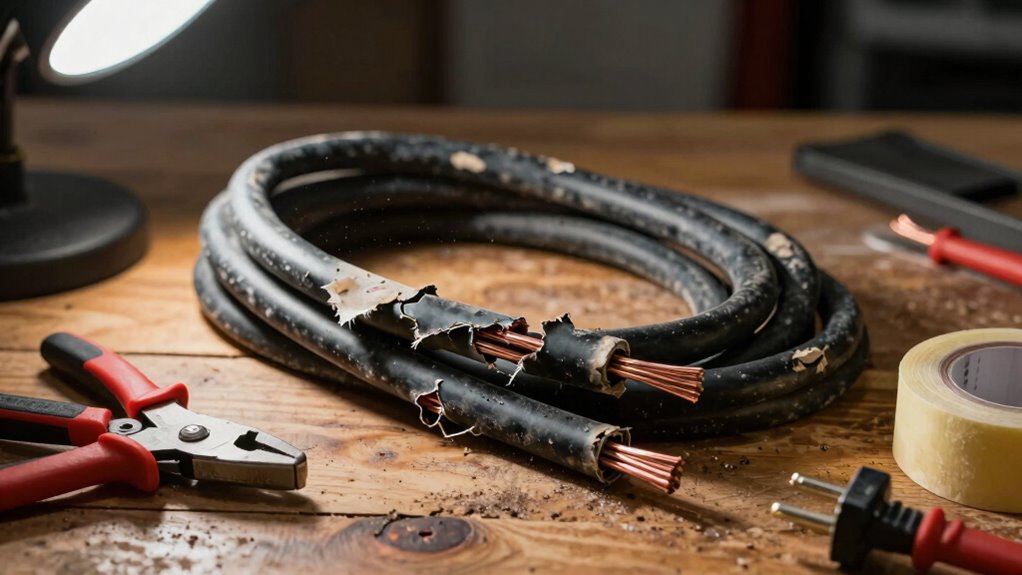
You must immediately identify frayed or exposed wires by inspecting the entire cord length for visible damage.
Exposed conductors create serious electrical hazards that require prompt attention through proper repair techniques.
Always disconnect the cord from power sources before attempting any wire repairs.
Identifying Damaged Wiring
Damaged extension cords pose serious electrical hazards that require immediate attention. You must inspect cords regularly for visible signs of wear including cuts, cracks, or abrasions in the outer jacket.
Look for exposed copper or aluminum conductors, which indicate compromised insulation. Check plug connections for loose fittings, discoloration, or heat damage. Feel along the entire cord length for stiff spots, kinks, or unusual warmth during use.
Examine strain relief areas near plug ends where damage frequently occurs. Notice any irregular odors or sounds during operation. You should also test ground continuity periodically.
If you spot fraying, exposed wires, or damaged plugs, the cord needs immediate replacement. Don’t attempt temporary fixes with tape or splice connectors.
Replace damaged extension cords promptly to prevent electrical shock, fires, or equipment failure. Your safety depends on proper cord maintenance.
Repairing Exposed Conductors
Repairing exposed conductors requires immediate attention to prevent electrical hazards. You must disconnect the cord from power sources before handling any damaged sections.
Inspect the entire length carefully, identifying all frayed or exposed wires. Use wire strippers to remove damaged insulation, exposing clean copper wire. Apply heat-shrink tubing or electrical tape to cover exposed conductors completely.
Match wire colors when reconnecting multiple conductors. Twist wire ends together clockwise, ensuring secure connections. Solder joints for maximum conductivity and durability.
Test repaired sections with a multimeter before reassembling. Replace severely damaged cords entirely rather than attempting repairs.
Store repaired cords properly to prevent future damage. Regular inspection prevents dangerous electrical failures. Your safety depends on proper repair techniques and thorough testing procedures.
Avoid Overloading Your Cords
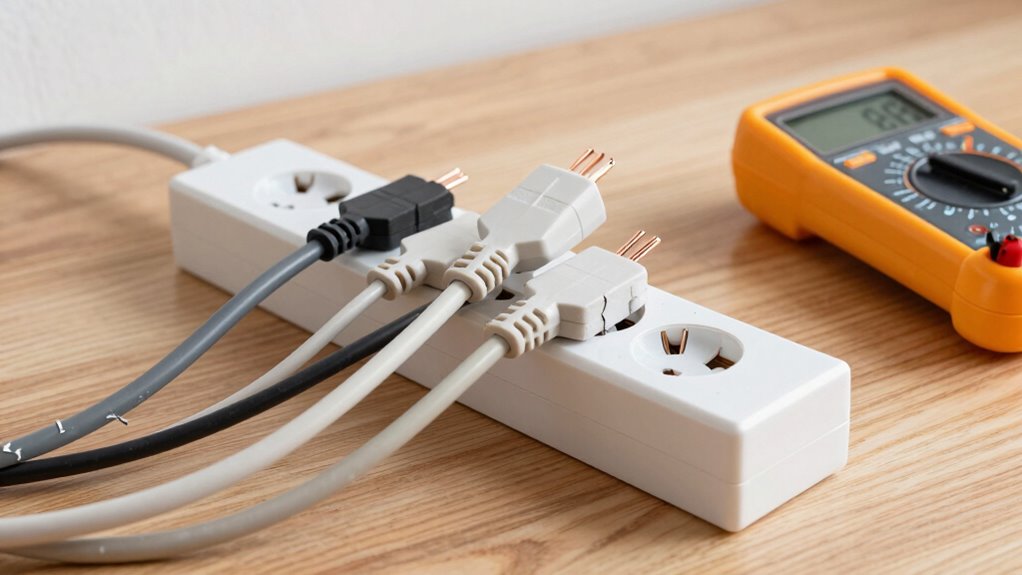
One critical factor in extension cord safety involves understanding the electrical load capacity of your cords.
You must calculate the total wattage of all devices connected to each cord. Check the cord’s amp rating and multiply by voltage to determine maximum capacity. For 15-amp cords on 120-volt circuits, you shouldn’t exceed 1,800 watts.
Don’t chain multiple cords together, as this compounds the load risk. Monitor cords during use; warm or hot cords indicate overloading. You’re responsible for ensuring your electrical setup won’t overwhelm the cord’s capacity.
Typical household appliances consume between 500-1,500 watts each. Always leave a safety margin below maximum capacity. When in doubt, use multiple outlets rather than overloading a single cord.
Your safety depends on respecting these electrical limits.
Choose the Right Extension Cord Based on Use
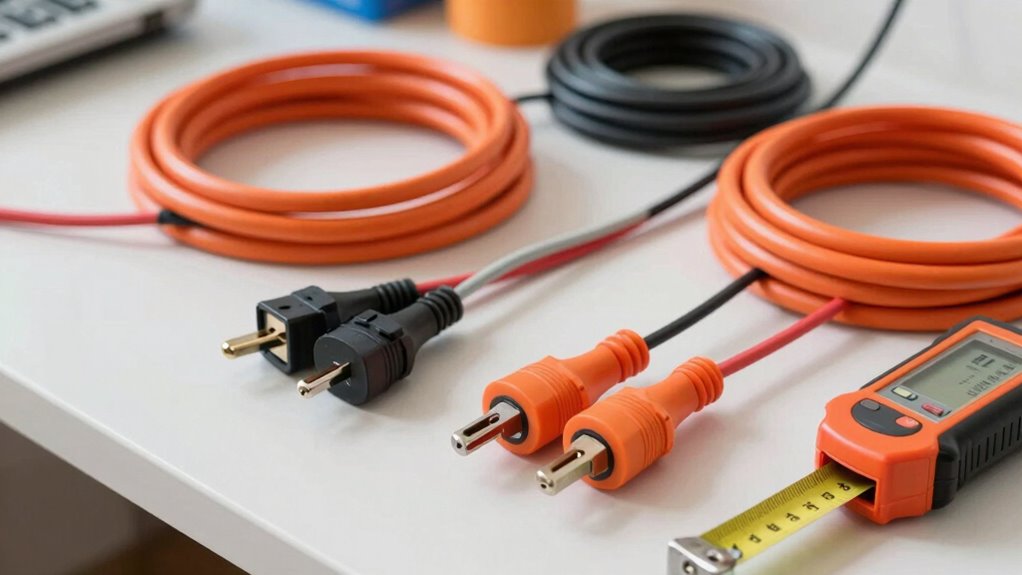
Selecting the appropriate extension cord for your specific application prevents overloading and guarantees safe operation. You must match cord gauge to your equipment’s power requirements – thicker wires handle higher amperage. For heavy-duty tools, choose 12 or 14-gauge cords.
Light-duty applications work with 16-gauge options. Consider cord length carefully; longer runs require thicker wire to maintain voltage. You should examine plug configurations too – three-prong cords provide grounding protection your devices need.
Indoor cords aren’t weather-resistant, so don’t use them outside. Outdoor applications demand specially rated cords with sealed connections. Check your tool’s amperage rating and select cords rated for equal or greater capacity.
Don’t assume standard household cords work for everything. Matching cord specifications to actual load requirements keeps your setup compliant and prevents dangerous overheating situations.
How Often to Inspect Extension Cords
While extension cords may seem durable, regular inspection prevents hazardous failures that could result in electrical shock or fire. You must check your cords systematically to guarantee safety.
- Daily visual checks – Scan for obvious damage like cuts, fraying, or exposed wires before each use.
- Weekly detailed inspections – Examine plugs, connectors, and the entire cable length for wear patterns or heat damage.
- Monthly resistance testing – Use a multimeter to verify proper electrical continuity and identify internal breaks.
- Seasonal thorough evaluations – Perform thorough inspections including insulation integrity and grounding continuity tests.
Establish these inspection intervals as non-negotiable safety protocols. Don’t skip checks because cords appear functional.
Internal damage isn’t always visible. Your diligence protects both equipment and people. Make these inspections routine habits that become automatic.
Regular maintenance extends cord lifespan while preventing dangerous electrical failures. Stay vigilant with your inspection schedule.
Store Extension Cords Properly
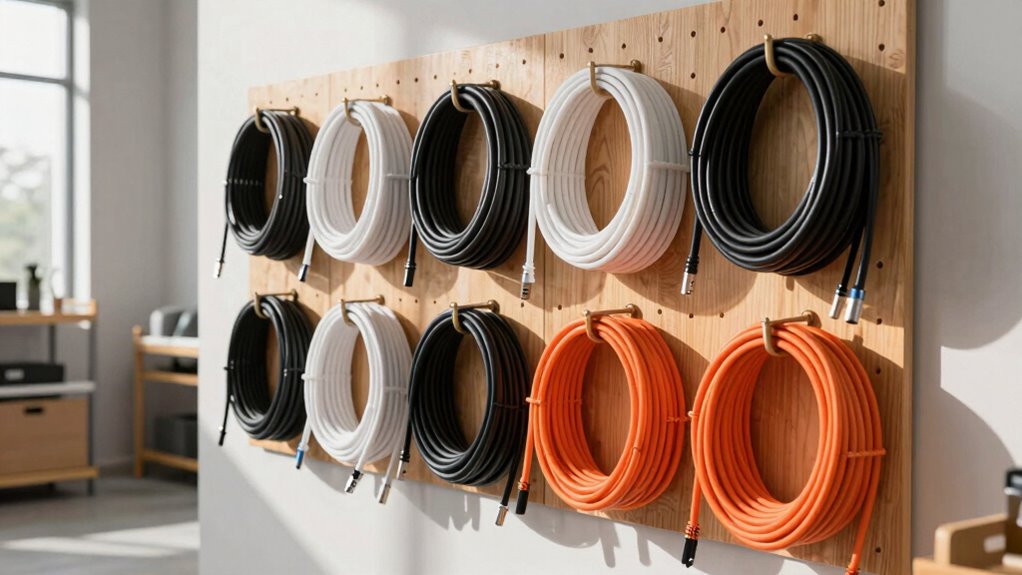
Proper storage protects the integrity of extension cords between inspections and prevents damage that could compromise safety.
You should always coil cords loosely using the manufacturer’s recommended method, avoiding tight bends or kinks that stress internal wiring. Store cords in a cool, dry location away from direct sunlight, heat sources, and moisture that deteriorates insulation.
Keep cords off concrete floors where chemicals can degrade jackets. Use designated storage containers or cord reels rather than随意 tossing them in garages or basements.
Hang cords properly when possible, ensuring connectors don’t bear weight that damages prongs or wiring. Never store damaged cords without marking them clearly.
Proper storage habits extend cord lifespan while maintaining electrical safety standards everyone trusts.
Is It Safe to Fix a Damaged Cord?

Why bother attempting repairs on damaged extension cords when replacement is often the safer choice? You might save money temporarily, but electrical safety isn’t worth compromising.
Here’s what you need to know:
- Minor outer jacket damage – You can temporarily repair small cuts with electrical tape, but this is only a short-term solution requiring immediate replacement.
- Exposed wires – Never attempt repairs when conductors are visible; replacement is mandatory for your safety.
- Severe internal damage – Cutting and splicing internal wiring requires professional expertise you probably don’t possess.
- Frequent damage patterns – Repeated issues indicate underlying problems that cheaper cords won’t solve.
You belong in the group that prioritizes safety over convenience. Don’t gamble with electrical hazards.
Avoid These 5 Dangerous Mistakes
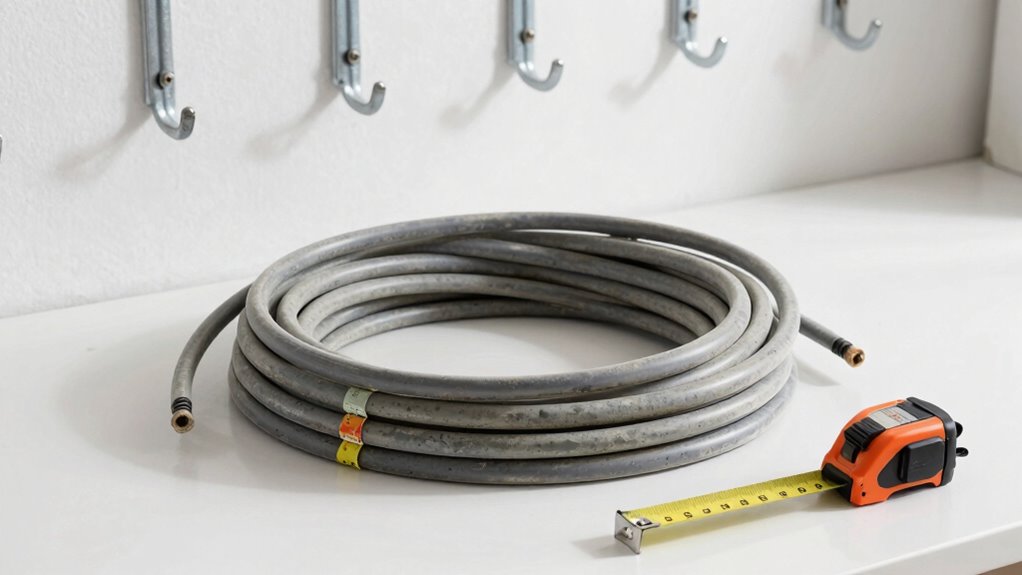
Since you’re handling electrical equipment, understanding common errors can prevent serious accidents.
First, don’t overload extension cords beyond their rated capacity—this causes overheating and fire hazards.
Second, avoid running cords through walls, ceilings, or floors where you can’t monitor their condition.
Third, never use damaged cords with frayed wires or cracked insulation.
Fourth, don’t chain multiple extension cords together, which overloads circuits.
Fifth, avoid using outdoor cords indoors or vice versa without proper ratings.
These mistakes create electrocution risks, equipment damage, and fire hazards.
You belong to a community that values safety—follow these guidelines strictly.
Your family’s safety depends on proper extension cord maintenance.
Stay alert, stay informed, and stay safe.
Know When to Replace Instead of Repair
While extension cords might seem like simple tools, recognizing when they’ve reached the end of their useful life prevents dangerous electrical failures.
You shouldn’t attempt repairs on damaged cords when replacement is necessary.
- Visible wire damage – Exposed copper wires or cuts through the outer jacket require immediate replacement.
- Cracked or brittle plastic – Aging materials that break easily won’t protect against electrical hazards.
- Loose connections – Plugs that don’t fit snugly create dangerous heat buildup and poor conductivity.
- Frequent tripping – Circuit breakers that repeatedly trip indicate internal wiring problems.
Don’t risk your safety trying to fix cords with these issues. Replace them immediately. Your family and home deserve proper protection from electrical dangers.
Use Extension Cords Safely Indoors
When you use extension cords indoors, make sure they’re rated for indoor applications and never run them through walls, ceilings, or floors.
You should always inspect cords before each use, looking for frayed wires, damaged insulation, or loose connections. Keep cords away from water sources and high-traffic areas where they might become tripped over or damaged.
Don’t overload circuits by connecting multiple high-wattage appliances to a single cord. You must use grounded three-prong cords for equipment requiring grounding.
Store cords properly when not in use, avoiding tight coils that can damage internal wiring. Always unplug cords by gripping the plug, never by pulling on the cable itself.
Regular inspection and proper handling guarantee you’re part of the community that maintains safe electrical practices.
Stay Safe When Using Extension Cords Outside
You must protect extension cords from outdoor elements by using weatherproof connectors and junction boxes.
Moisture damage occurs when water penetrates cord insulation, creating electrical hazards and short circuits.
Always inspect outdoor cords regularly for cracks or damage that could compromise their weather-resistant properties.
Weatherproofing Your Cords
Extension cords exposed to outdoor elements require immediate protection from moisture, UV radiation, and temperature fluctuations. You must weatherproof your cords properly to prevent electrical hazards and extend their lifespan.
- Choose outdoor-rated extension cords with thick insulation that resists cracking and UV damage
- Apply electrical tape around connection points to seal gaps where moisture enters
- Use cord covers or conduits to shield cables from direct sunlight and physical damage
- Store cords properly in dry, cool locations when not in use
These protective measures prevent premature failure and maintain safe operation.
Don’t risk electrical shock or fire hazards by neglecting proper weatherproofing techniques. Your safety depends on taking these precautions seriously.
Protecting Against Moisture Damage
While outdoor extension cord use exposes electrical connections to moisture that can cause dangerous short circuits and corrosion, protecting against water infiltration requires immediate attention to connection integrity and proper storage practices.
You must inspect plugs and receptacles regularly for water damage or corrosion signs. Keep connections elevated above ground level and use waterproof covers when not in use.
Store cords in dry, climate-controlled environments away from humidity and temperature fluctuations. Avoid coiling wet cords tightly, as this traps moisture and accelerates deterioration.
You should always disconnect and dry cords completely before storage. Consider using moisture-resistant cord materials like thermoplastic elastomer jacketing for enhanced protection.
Regular maintenance prevents costly replacements and guarantees safe operation during outdoor applications.
Conclusion
You must inspect extension cords regularly—over 3,300 home fires annually stem from electrical distribution issues. Don’t risk it; replace damaged cords immediately. Calculate your device wattage, avoid overloading circuits, and store cords properly. When in doubt, prioritize safety over convenience. Your household’s electrical safety depends on these critical maintenance practices.
