

Most professionals don’t realize that tool overheating begins affecting performance long before you feel the heat through your grip. Excessive temperatures degrade internal components, compromise lubrication effectiveness, and accelerate wear patterns that lead to costly failures. You’re likely pushing tools beyond safe operating limits without recognizing early warning signs. Understanding how heat builds up during use and what specific actions you can take will keep your equipment running efficiently while preventing dangerous malfunctions.
Why Tools Overheat and How to Recognize Signs
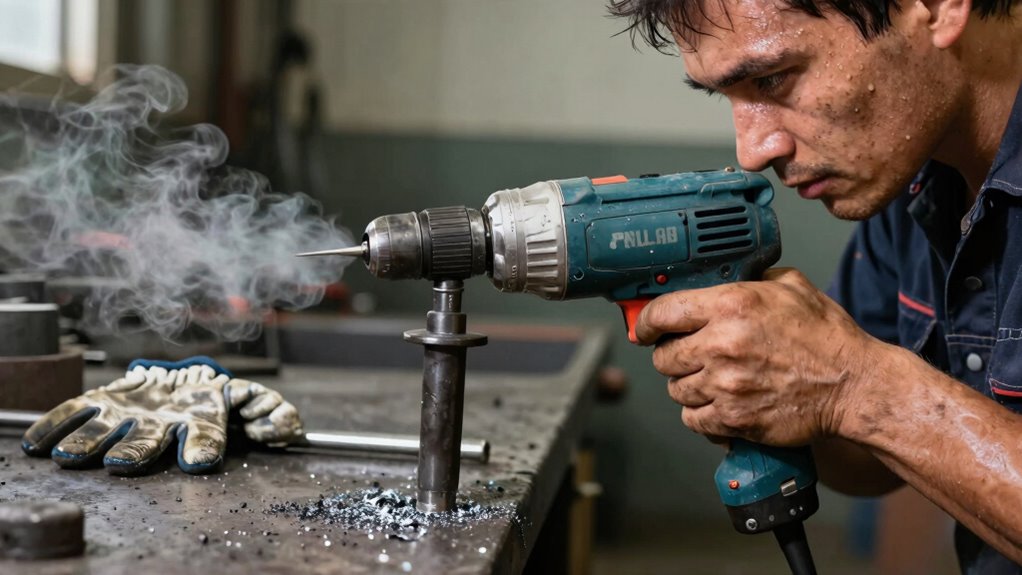
When you operate power tools continuously or under heavy loads, friction and electrical resistance generate heat that can quickly accumulate in the tool’s components.
You’ll notice excessive warmth radiating from the motor housing, handles becoming uncomfortably hot, and unusual burning odors during operation.
Your tool might exhibit reduced performance, slower speeds, or intermittent power loss.
Listen for changes in motor sounds—straining or high-pitched whining indicates overheating.
You may feel vibrations through the handle that weren’t present initially.
Visual signs include discolored paint or plastic components near heat sources.
Electrical connections might spark or show scorch marks.
These warning indicators demand immediate attention.
You’re part of a community that values equipment longevity and safety.
Recognizing these signs early prevents costly repairs and maintains your tool’s prime performance while ensuring workplace safety standards.
What Overheating Does to Metal and Plastic Inside Tools
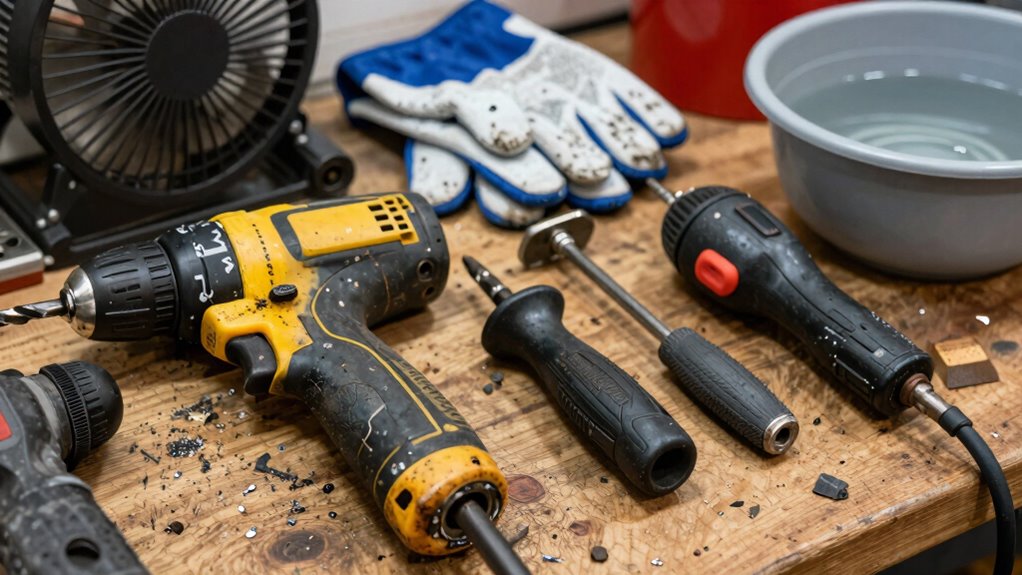
Heat exposure compromises the structural integrity of both metal and plastic components inside your power tools.
Metal parts expand when heated, causing misalignment and increased wear on bearings and gears. You’ll notice reduced performance as tolerances shift beyond ideal ranges.
Plastic housings and insulators become brittle, crack, or warp under excessive temperatures, creating safety hazards. Internal wiring degrades faster, increasing electrical resistance and fire risk.
Circuit boards suffer from thermal stress, leading to solder joint failures and component malfunctions. Your tool’s motor windings experience insulation breakdown, causing short circuits.
These damage patterns accelerate maintenance intervals and increase replacement costs. Regular overheating shortens your tool’s lifespan considerably.
You’re practically paying for premature failure through repeated repairs or early replacement purchases. Monitoring temperature during use prevents these costly internal damages effectively.
What Causes Excessive Heat in Power Tools?
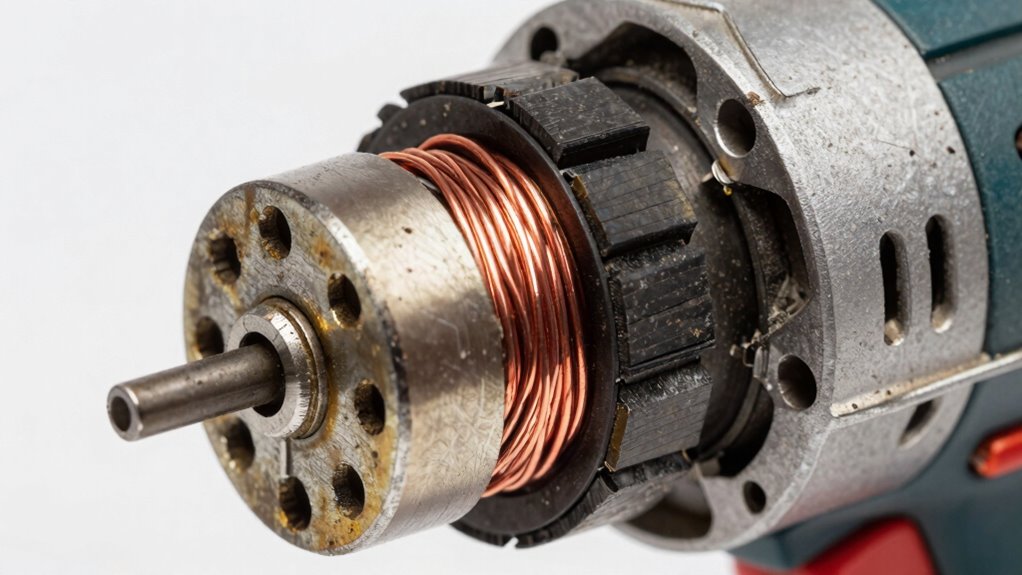
Understanding how heat damages your power tools makes it clear that preventing excessive temperatures is essential for longevity and performance. You generate heat primarily through friction when cutting, grinding, or drilling materials.
Motor windings create heat through electrical resistance during operation. Blocked ventilation ports restrict airflow, causing heat buildup. Worn bearings increase friction, producing additional heat. Overloading tools beyond their capacity generates excessive heat quickly.
Dull blades and bits require more force, increasing motor strain and heat production. Insufficient lubrication in moving parts creates friction-related heat. Ambient temperature affects tool performance, with hot environments exacerbating heat issues.
Dust and debris accumulation around motors and ventilation systems impedes cooling. Voltage fluctuations cause motors to work harder, generating more heat. Continuous operation without breaks prevents proper cooling cycles.
How Long Should You Run a Tool Before It Gets Too Hot?
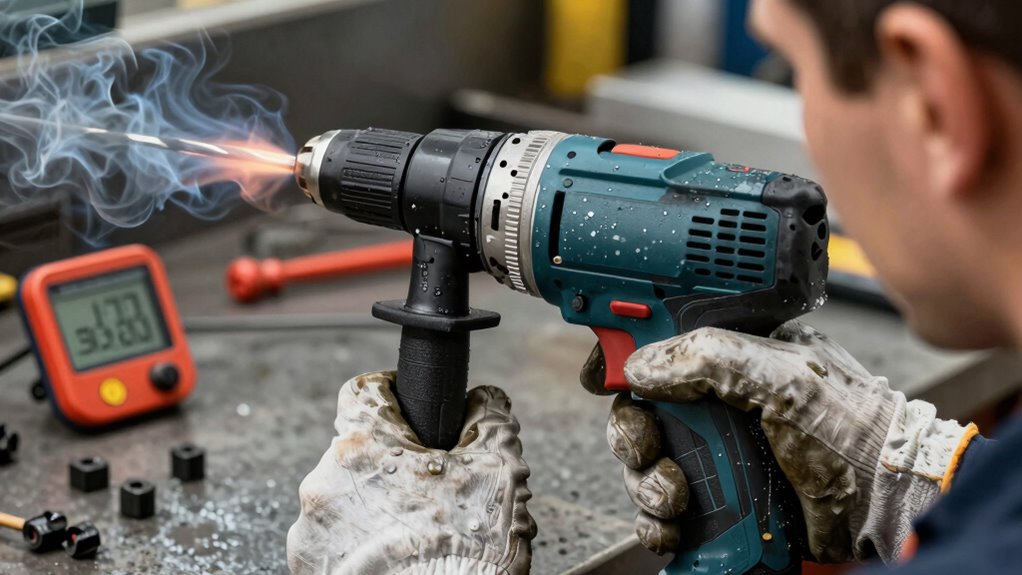
How long can you realistically operate a power tool before heat becomes a critical concern? Most power tools can run continuously for 15-30 minutes before reaching problematic temperatures. However, this varies based on tool type, workload, and environmental conditions.
You should monitor your tool’s performance closely. When motors begin slowing down or emitting unusual sounds, heat buildup has likely reached concerning levels. High-demand applications may require shorter operating periods.
Professional craftsmen typically follow the “twenty-on, ten-off” rule: twenty minutes of continuous use followed by ten minutes of rest. This prevents excessive heat accumulation while maintaining productivity.
Don’t wait for warning signs. Preemptive cooling protects both tool longevity and your safety. Your tool’s thermal limits aren’t negotiable.
How to Choose the Right Lubricant to Prevent Overheating
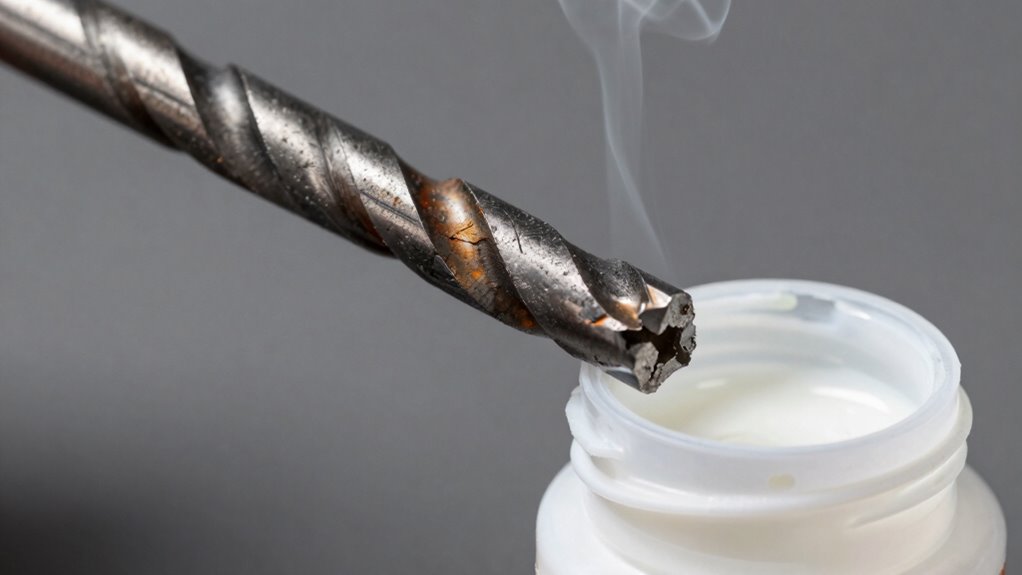
Choosing the appropriate lubricant plays an essential role in maintaining ideal operating temperatures during prolonged tool use. You should select lubricants based on viscosity ratings and thermal stability properties.
Higher viscosity lubricants provide better film strength for heavy-duty applications, while lower viscosity options work well for high-speed operations. Look for lubricants with thermal stability ratings that match your tool’s operating temperature range.
Consider synthetic lubricants for extreme temperature applications, as they maintain viscosity better than mineral-based alternatives. You’ll want to check manufacturer specifications for compatible lubricant types.
Don’t mix different lubricant categories, as this can cause chemical incompatibility issues. Regular lubricant inspection prevents degradation that leads to increased friction and heat buildup during extended use periods.
When Should You Take a Break From Using Power Tools?
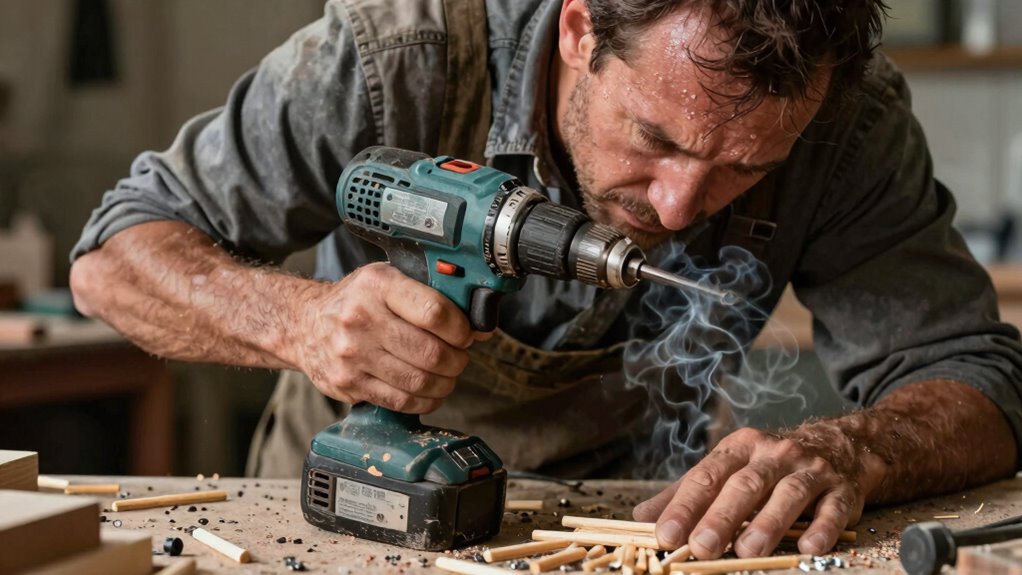
When operating power tools continuously, you should monitor for specific warning signs that indicate an immediate break is necessary. Excessive heat buildup causes metal components to expand, potentially leading to binding or seizing.
You’ll notice unusual noises, decreased performance, or visible smoke. Your tool’s motor may start drawing excessive current, causing circuit breakers to trip. Smell burning plastic or rubber? That’s thermal degradation occurring.
Extended use without breaks accelerates wear on brushes, bearings, and gearboxes. You should pause operations every 15-20 minutes during heavy-duty applications, allowing tools to cool to ambient temperature.
Don’t wait for failure symptoms. Prevention through scheduled rest periods protects both your investment and safety. Smart operators recognize that consistent breaks prevent costly repairs and dangerous malfunctions.
How Proper Ventilation Prevents Tool Overheating
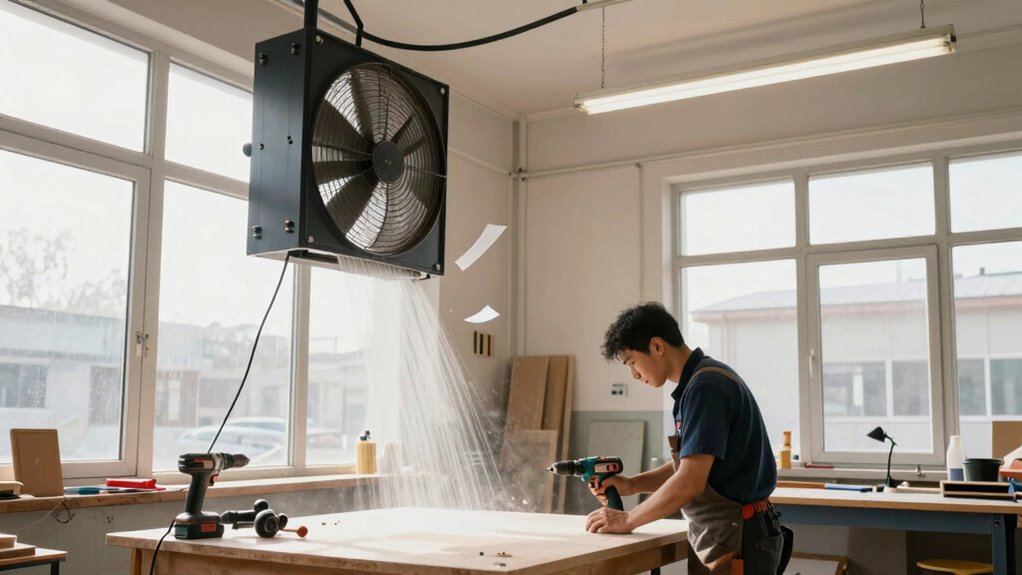
You should guarantee adequate airflow around your tools because proper ventilation reduces heat buildup that can damage internal components.
Your tools will last longer when you maintain consistent cooling, as excessive heat accelerates wear on motors and electronic systems.
You must implement effective cooling systems to prevent costly motor damage that occurs when temperatures exceed safe operating limits.
Proper Airflow Reduces Heat Buildup
Effective ventilation serves as a critical safeguard against excessive heat accumulation during extended tool operation. You should guarantee adequate airflow around your tools by positioning them in well-ventilated areas and removing any obstructions that block air circulation.
Strategic placement of fans or blowers helps dissipate heat buildup effectively. Monitor ambient temperature and humidity levels, as these factors directly impact heat dissipation efficiency. You’ll want to maintain consistent airflow patterns that prevent hot spots from developing around your equipment.
Proper ventilation systems actively pull cool air across tool surfaces while expelling heated air away from work areas. Regular cleaning of ventilation pathways eliminates dust and debris that impede airflow. You should inspect air intake and exhaust ports frequently to guarantee they remain unobstructed.
Effective airflow management reduces thermal stress on components and prevents premature heat-related failures during demanding applications.
Adequate Ventilation Extends Tool Life
Proper ventilation systems actively prevent excessive heat accumulation that would otherwise degrade tool components and shorten their operational lifespan.
You should guarantee adequate airflow around your tools during operation to maintain ideal temperature levels. Effective ventilation removes hot air and introduces cooler ambient air, creating a continuous circulation pattern that prevents thermal buildup.
Your tools’ internal components, including bearings, seals, and electronic circuits, operate more efficiently when temperatures remain within specified ranges. Without sufficient ventilation, you’ll experience accelerated wear, increased friction, and potential material fatigue.
You must position tools away from enclosed spaces and obstructions that restrict air movement. Regular cleaning of ventilation pathways removes dust and debris that impede airflow.
You should also consider environmental factors like ambient temperature and humidity levels. Implementing these ventilation strategies guarantees your tools maintain peak performance while maximizing their service life.
Cooling Systems Prevent Motor Damage
Motor windings and bearings rely on sufficient cooling systems to prevent catastrophic failure during extended operation. You must guarantee proper airflow reaches critical components through strategically placed vents and fans.
Thermal overload protection circuits automatically shut down tools before damaging temperatures occur. Regular maintenance keeps cooling pathways clear of debris and dust accumulation. You should monitor operating temperatures using infrared thermometers during heavy-duty applications.
Bearing lubrication systems require consistent cooling to maintain viscosity and prevent seizing. Ventilation ducts channel hot air away from sensitive electronics effectively. You can’t ignore warning signs like excessive heat buildup or unusual noises.
Proper cooling system design incorporates thermal sensors that trigger automatic shutdown sequences. Regular inspection of cooling fins prevents blockages that cause motor windings to overheat. You must maintain adequate clearance around tools for ideal airflow circulation.
How Regular Maintenance Keeps Tools Cool
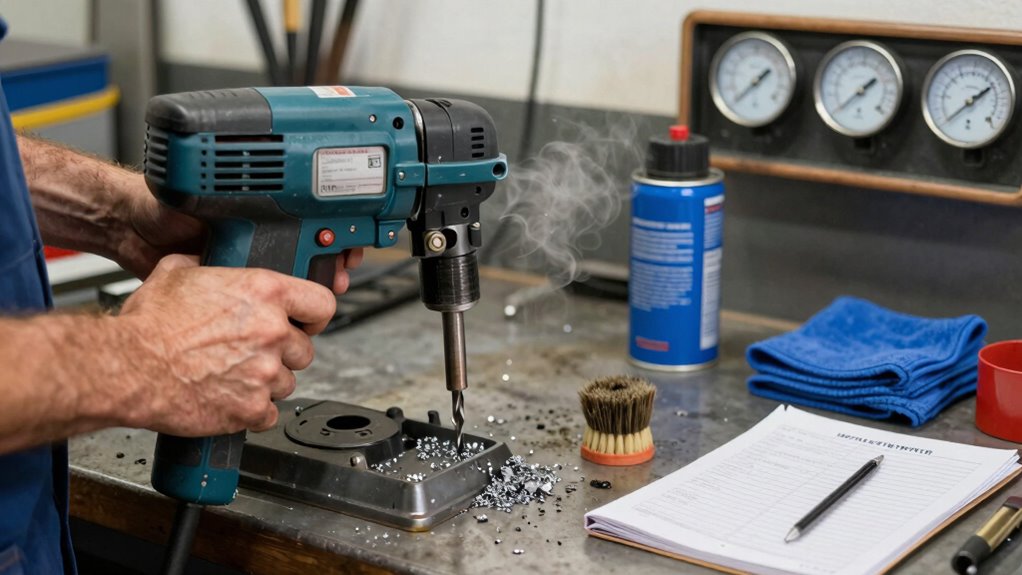
When you maintain your tools regularly, you prevent the excessive friction and wear that lead to dangerous temperature spikes during operation. Proper maintenance guarantees ideal performance while extending tool lifespan considerably.
You should follow these essential practices:
- Clean debris from ventilation ports and cooling fins monthly
- Check lubrication levels and replace worn bearings quarterly
- Inspect motor windings for heat damage indicators regularly
- Verify proper belt tensioning to reduce unnecessary strain
- Schedule professional calibration services annually
These maintenance routines prevent costly repairs and keep your tools operating safely.
You become part of a knowledgeable community that values precision and reliability. Regular upkeep isn’t just about preventing overheating; it’s about maintaining peak performance standards that serious craftsmen expect.
Your tools respond better when you treat them properly, creating a reliable partnership that delivers consistent results every time you work.
Why Using the Correct Tool Prevents Heat Damage
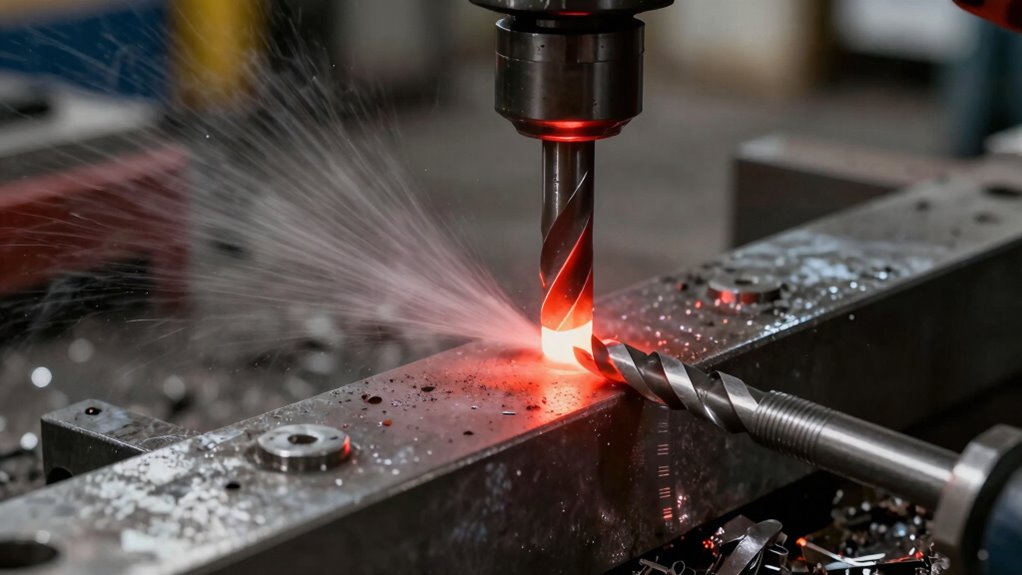
Using the correct tool for each specific application prevents excessive heat buildup that occurs when equipment operates beyond its designed parameters.
You reduce friction and mechanical stress by matching tools to their intended tasks. Proper tool selection guarantees ideal cutting speeds, feed rates, and material removal rates that minimize thermal generation.
When you force inappropriate tools into service, they work harder than necessary, creating unnecessary heat through increased resistance and inefficient operation.
Correct tooling maintains proper clearances and tolerances, preventing metal-to-metal contact that generates excessive temperatures.
You protect both the workpiece and tool itself from thermal damage that compromises performance and longevity.
Precision tool selection eliminates guesswork, guaranteeing each component operates within safe thermal limits while delivering consistent results.
How to Identify Parts That Cause Tools to Overheat
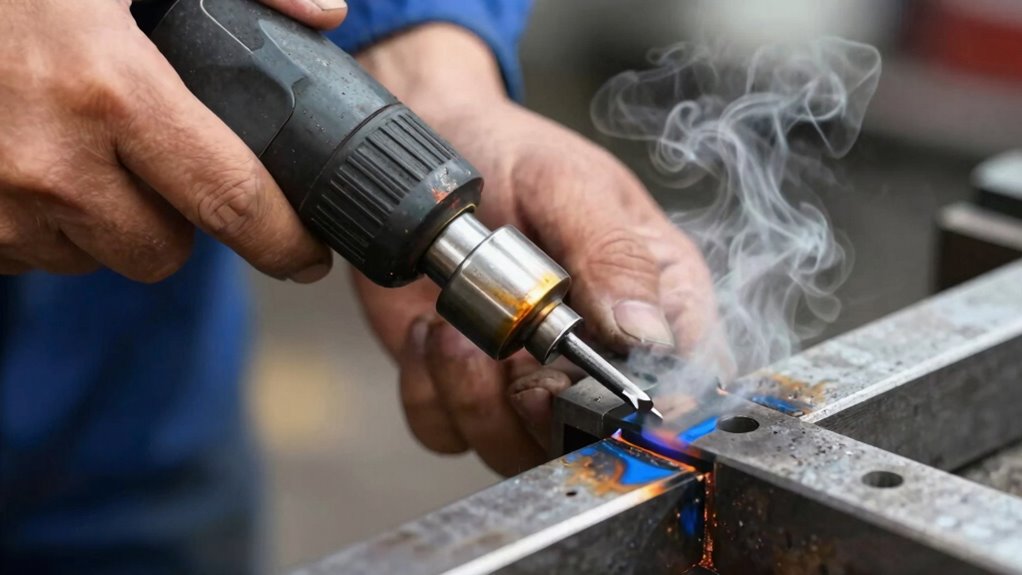
Parts that cause tools to overheat often exhibit specific characteristics you can identify through careful observation and measurement.
You should regularly inspect components for abnormal wear patterns, improper clearances, or material degradation that generates excessive friction.
Look for these warning signs:
- Excessive wear on bearings, bushings, or contact surfaces
- Misaligned components creating binding or rubbing
- Dull or damaged cutting edges increasing cutting forces
- Insufficient lubrication points showing dry running conditions
- Loose fasteners allowing unwanted component movement
These indicators help you pinpoint problematic areas before they cause catastrophic failure.
You’ll develop confidence recognizing these patterns through systematic inspection routines.
What Safety Gear Protects You From Hot Tools?
Heat-resistant gloves and safety glasses with infrared protection shield your hands and eyes from radiant heat emitted by overheated tools.
You should also wear flame-resistant clothing made from materials like Nomex or Kevlar when working near hot equipment.
Steel-toed boots protect your feet from accidental drops while providing thermal insulation. A hard hat with heat-resistant properties prevents burns from overhead sparks or falling debris.
Don’t overlook hearing protection since many overheated tools generate excessive noise levels. Choose earplugs or earmuffs rated for high-decibel environments.
Face shields offer additional protection against flying particles and intense heat exposure.
You must select gear specifically rated for thermal protection rather than standard safety equipment.
Check manufacturer specifications for heat resistance ratings before purchasing. Proper fitting guarantees maximum protection without restricting movement.
Regular inspection and replacement of worn safety gear maintains peak protection levels during demanding work conditions.
Why Proper Storage Helps Prevent Tool Overheating
You should maintain proper storage conditions by keeping tools in cool, dry environments away from heat sources and direct sunlight.
Regular maintenance schedules prevent excessive friction and wear that leads to overheating during operation.
These practices work together to extend tool lifespan and maintain ideal operating temperatures.
Proper Storage Conditions
Storing tools in appropriate conditions prevents excessive heat buildup that can compromise their functionality and lifespan.
You should maintain proper storage environments to preserve tool integrity and prevent thermal damage.
- Keep tools in climate-controlled spaces with temperatures between 50-80°F to minimize thermal expansion.
- Store metal tools away from direct sunlight and heat sources like radiators or windows.
- Use insulated toolboxes or cases that protect against temperature fluctuations.
- Maintain low humidity levels below 50% to prevent corrosion that generates heat.
- Organize tools with adequate spacing to allow air circulation around each item.
These storage practices help you avoid costly replacements while ensuring tools remain ready for use.
Proper storage conditions directly impact tool performance and longevity.
Regular Maintenance Schedules
Proper storage conditions create the foundation for effective maintenance schedules that prevent tool overheating.
You must establish routine inspection intervals based on tool usage frequency and operating conditions. Check lubrication levels, clean debris from ventilation paths, and verify cooling system functionality monthly. Document temperature readings during operation to identify abnormal heat patterns early.
Schedule quarterly deep cleans removing accumulated dust and contaminants that impede heat dissipation. Replace worn components proactively rather than reactively.
Maintain detailed maintenance logs tracking performance metrics and thermal readings. Proper storage between uses prevents contamination that compromises maintenance effectiveness.
You belong to a community of professionals who understand that consistent maintenance protocols eliminate unexpected failures. Implement calendar reminders for scheduled maintenance tasks.
Your tools perform efficiently when you commit to regular preventive care routines.
How to Adjust Tool Usage for Hot Environments
When operating tools in hot environments, reducing workload intensity and increasing rest intervals between uses prevents excessive heat buildup that can damage both the tool and workpiece.
You should modify your approach to maintain peak performance while protecting equipment integrity.
Monitor ambient temperature closely and adjust expectations accordingly.
Decrease cutting speeds and feed rates to minimize friction-generated heat.
Use adequate lubrication or coolant systems to dissipate thermal energy effectively.
Schedule demanding tasks during cooler periods when possible.
- Reduce cutting parameters by 15-25% in temperatures exceeding 85°F
- Implement 30-second rest periods every 2-3 minutes of continuous use
- Apply specialized high-temperature lubricants designed for thermal conditions
- Store tools in shaded, ventilated areas between uses
- Utilize heat-resistant tool coatings rated for elevated temperature applications
These adjustments maintain tool lifespan while ensuring consistent work quality in challenging thermal conditions.
When to Replace Tools Instead of Fixing Overheated Ones
Although overheated tools can sometimes be restored through careful cooling and maintenance procedures, you should replace them immediately if visible thermal damage has compromised their structural integrity.
Look for discoloration, warping, or cracking that indicates metal degradation. You’ll notice when cutting edges have softened or when handles show melting or charring.
Don’t risk using tools with seized moving parts or those that’ve lost their original hardness specifications.
Thermal stress creates microscopic fractures invisible to the naked eye but capable of catastrophic failure during use. Your safety and your team’s depend on proper assessment.
When in doubt, replace rather than repair. Professional-grade tools deserve professional decision-making.
You’re not just protecting equipment—you’re protecting lives, including your own. Make the call decisively.
How to Train Workers to Avoid Tool Overheating Risks
You must understand that preventing tool overheating starts with recognizing the early warning signs before thermal damage occurs. Proper training guarantees you identify these critical indicators quickly.
- Feel for excessive heat on tool handles during operation
- Listen for unusual high-pitched sounds indicating increased friction
- Watch for discoloration or warping on cutting edges
- Monitor vibration patterns that suggest internal component stress
- Check for reduced cutting efficiency requiring excessive force
Effective training programs integrate these observation skills into daily workflows. You’ll learn to pause operations immediately when detecting abnormalities.
Regular tool inspection schedules become second nature through consistent practice. Your team develops shared awareness when everyone follows standardized overheating prevention protocols.
Conclusion
You’ve learned the critical steps to prevent tool overheating, but are you actually implementing them consistently? Don’t let preventable heat damage destroy your tools’ performance and lifespan. Apply these technical solutions immediately: monitor lubrication, guarantee ventilation, follow duty cycles, and train your team properly. Your tools’ reliability depends on it.
