

You might be surprised that most plant diseases stem from preventable environmental stress rather than unavoidable pathogens. Fungal spores and bacteria are everywhere, but they only thrive when plants are already compromised. By understanding how these microorganisms gain a foothold, you can interrupt their lifecycle before symptoms appear. The key lies in creating conditions that favor plant health over pathogen proliferation. Want to know which specific cultural practices make the difference between a thriving garden and one plagued by disease?
What Causes Plant Diseases and How to Interrupt Them
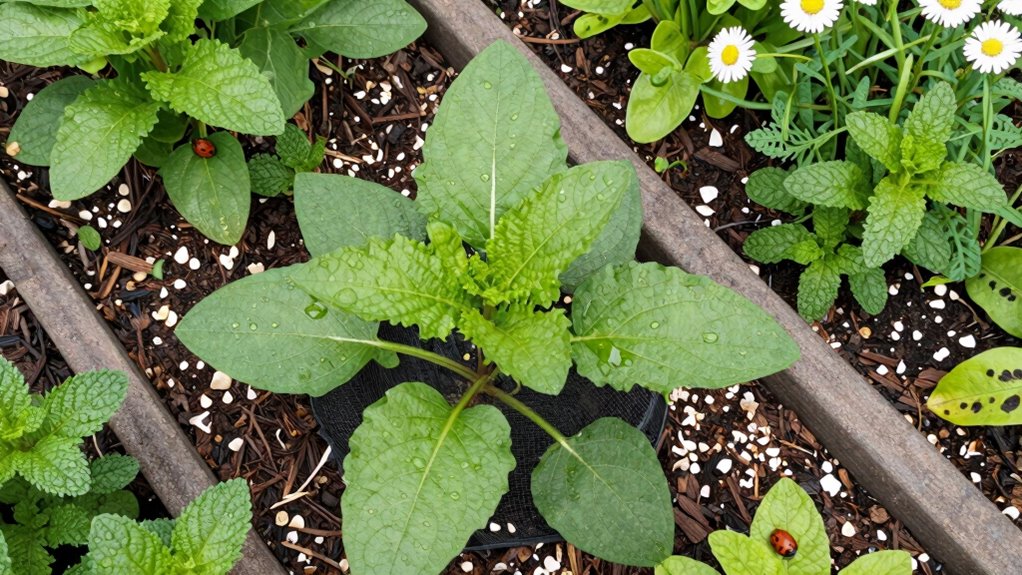
Plant diseases emerge when pathogens like fungi, bacteria, or viruses encounter favorable conditions that allow them to infect vulnerable plant tissues.
You create inhospitable environments by controlling moisture, temperature, and nutrient levels. Pathogens need specific conditions to thrive, so you disrupt their lifecycle by maintaining proper air circulation and avoiding overhead watering.
You should remove infected plant debris immediately and sterilize tools between uses. Soil health matters greatly, so you test pH levels and guarantee proper drainage.
Beneficial microorganisms compete with pathogens, making compost teas and organic matter additions valuable. You strengthen plant immunity through balanced nutrition and stress reduction.
Crop rotation prevents pathogen buildup in soil. You monitor environmental conditions closely, adjusting humidity and temperature as needed.
Prevention requires consistent attention to these details, creating conditions where pathogens can’t establish themselves while plants remain healthy and resilient.
Early Warning Signs Your Plants Are Getting Sick
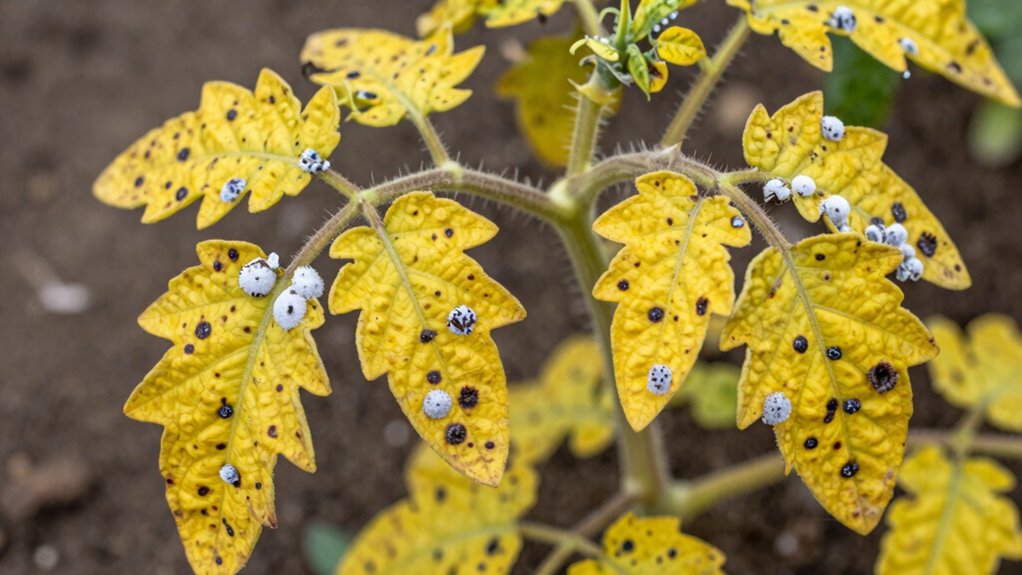
You should monitor your plants closely for yellowing leaf patterns that appear suddenly or spread rapidly, as these often indicate fungal infections or nutrient deficiencies.
Wilting stem symptoms frequently signal vascular diseases that block water transport, requiring immediate attention to prevent plant death.
Spotted fruit indicators demonstrate bacterial or viral pathogens that can spread quickly through your garden if not controlled promptly.
Yellowing Leaf Patterns
Yellowing leaves often serve as your first indication that something’s amiss with your plant’s health.
You’ll notice distinct patterns that reveal specific problems. Nitrogen deficiency causes uniform yellowing starting with older leaves, while iron deficiency creates interveinal chlorosis on younger foliage. Magnesium shortage produces yellowing between leaf veins while veins stay green.
Overwatering triggers root stress, causing yellow leaves that drop prematurely. Underwatering creates yellow leaf margins that progress inward. Viral infections often show mottled yellow patterns across leaves. Fungal diseases may cause yellow spots that expand rapidly.
Prevent these issues by maintaining proper watering schedules, ensuring adequate drainage, and providing balanced nutrition.
Test your soil pH regularly since alkaline conditions block nutrient uptake. Monitor plants weekly for early yellowing signs. Remove affected leaves immediately to prevent disease spread.
Keep growing areas clean and avoid overhead watering to reduce fungal spore transmission.
Wilting Stem Symptoms
Wilting stems often signal the earliest stage of plant distress before leaves show visible symptoms. You should examine stems daily for soft, drooping, or discolored sections that feel mushy rather than firm. These symptoms indicate vascular system damage from fungal pathogens like Fusarium or bacterial infections.
Check for dark streaks inside stem tissue by cutting small sections. Prevent wilting by ensuring proper soil drainage, avoiding overwatering, and maintaining adequate air circulation. You’ll want to remove affected plants immediately to stop disease spread.
Sanitize pruning tools between cuts and avoid working with wet plants. Strengthen plant immunity through balanced fertilization and beneficial microbial inoculants. Monitor soil moisture levels carefully, as both drought stress and waterlogged conditions create vulnerability.
Early detection lets you implement corrective measures before systemic infection occurs.
Spotted Fruit Indicators
Small dark spots appearing on fruit surfaces often serve as the first visible warning that your plants are succumbing to disease pressure. You’ll notice these blemishes starting as tiny lesions that rapidly expand into larger, irregular patterns.
Early detection demands regular inspection of developing fruits, especially during humid conditions when pathogens thrive. Don’t wait for spots to multiply before acting. Remove affected fruits immediately and dispose of them away from your garden area.
Increase air circulation around plants by pruning excess foliage and spacing specimens appropriately. You should also avoid overhead watering, instead directing moisture toward soil bases.
Monitor for additional symptoms like soft rot, discoloration, or fuzzy growths accompanying spots. These indicators suggest fungal infections requiring specific treatment approaches.
Your vigilance in spotting these early warning signs determines whether you’ll harvest healthy produce or lose entire crops to preventable diseases.
Choose Disease-Resistant Seeds and Varieties First
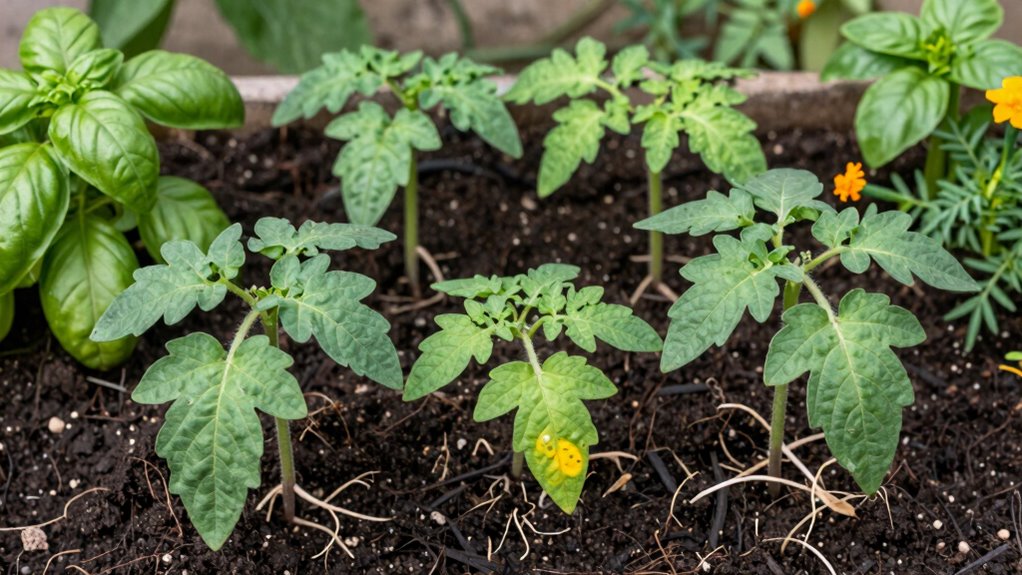
One of the most effective preventive measures you can take against plant diseases starts before you even plant your first seed. You should prioritize disease-resistant varieties when selecting seeds, as these cultivars possess genetic traits that help them withstand common pathogens.
Look for varieties labeled with resistance codes like VFN (resistant to verticillium wilt, fusarium wilt, and nematodes) or disease-resistant certifications from reputable seed companies. These plants don’t eliminate disease risk entirely, but they markedly reduce susceptibility.
You’re fundamentally giving your garden a head start by choosing varieties that naturally defend against common threats like blight, mildew, and bacterial infections.
Research seed catalogs and consult local extension services to identify disease-resistant options suited to your growing zone and specific soil conditions.
Space Plants Properly to Reduce Disease Spread
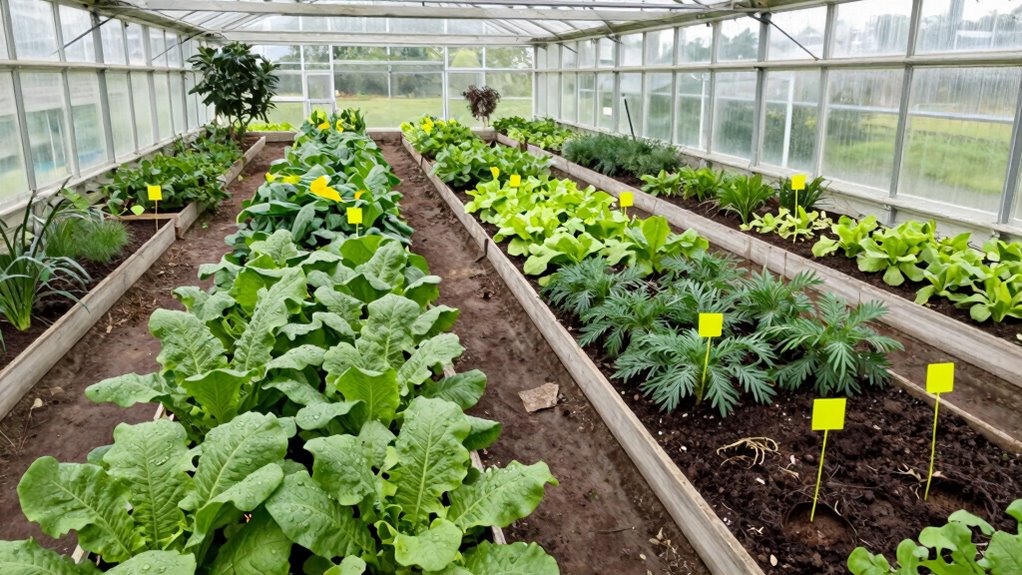
Proper spacing between plants creates airflow that prevents moisture buildup and reduces fungal spore transmission.
You should calculate mature plant dimensions before positioning them. Crowded conditions trap humidity around foliage, creating ideal environments for pathogens like powdery mildew and blight.
When you space plants according to their full-grown size, air circulation moves freely through leaves and stems. This natural ventilation dries dew and rain droplets quickly, depriving disease organisms of the moisture they need to thrive.
Pay attention to plant height, width, and growth habits when planning your garden layout. Remember that proper spacing isn’t just about individual plant health—it protects your entire garden community from disease outbreaks that can spread rapidly through dense plantings.
Use Companion Plants to Repel Harmful Pathogens
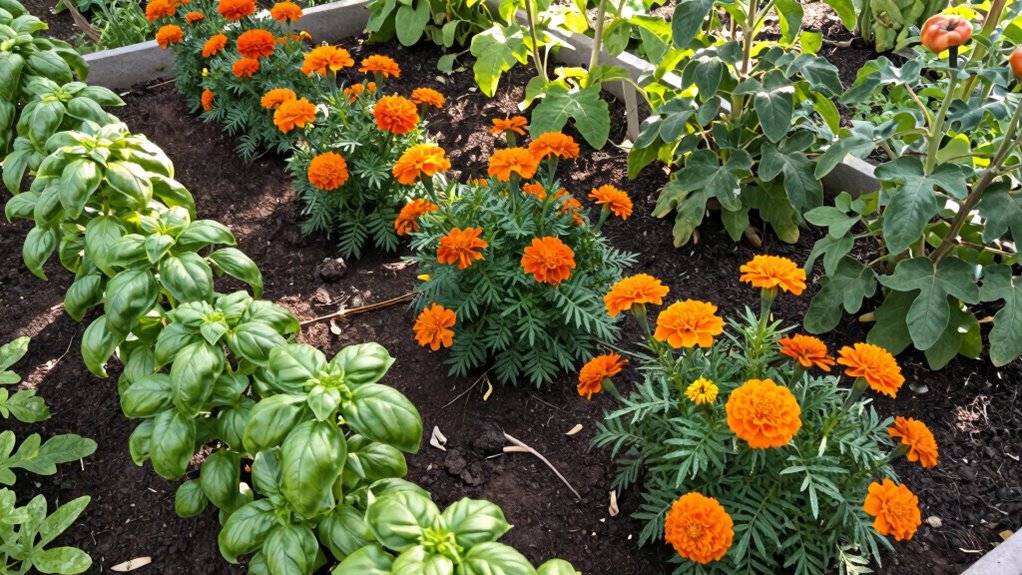
You should strategically interplant disease-resistant species like marigolds and basil among susceptible crops to create natural barriers against harmful fungi and bacteria.
These companion plants release biochemical compounds that inhibit pathogen growth while attracting beneficial insects that prey on disease-carrying pests.
You’ll reduce your reliance on chemical fungicides by establishing these protective plant partnerships that actively defend your garden ecosystem.
Natural Pathogen Defense
While companion planting doesn’t eliminate all pathogen threats, strategic plant pairings can greatly reduce disease pressure by releasing natural antimicrobial compounds that inhibit harmful fungi and bacteria.
You should incorporate these protective partnerships into your garden planning to create a natural defense system.
Consider these powerful combinations:
- Marigolds release thiophenes that deter nematodes and soil pathogens around tomatoes
- Garlic and onions emit sulfur compounds that prevent fungal infections in neighboring plants
- Basil produces essential oils that inhibit Fusarium and other destructive soil-borne diseases
You’re not just growing plants; you’re cultivating a thriving ecosystem where beneficial relationships naturally suppress disease outbreaks.
These partnerships work continuously, providing ongoing protection without chemical interventions.
Plan your garden layout carefully, placing protective companions near vulnerable crops. You’ll create a resilient growing environment where plants support each other’s health naturally.
Disease-Resistant Plant Partners
Certain plants possess inherent abilities to repel harmful pathogens through the release of specific chemical compounds that create protective barriers around neighboring crops.
You should strategically interplant marigolds, which emit alpha-terthienyl that inhibits fungal spore germination. Garlic and onions release sulfur compounds that prevent bacterial infections in nearby vegetables.
Plant basil alongside tomatoes to deter fusarium wilt through eugenol production. You’ll benefit from growing chives near apple trees, as they suppress apple scab fungus.
Nasturtiums attract beneficial insects while releasing mustard oils that combat soil-borne pathogens. You should consider companion planting strategies that maximize these natural defense mechanisms.
Plan your garden layout to guarantee disease-resistant partners surround vulnerable crops. This preventive approach reduces pathogen pressure naturally, creating healthier growing conditions that support your plants’ immune responses and minimize infection risks.
Boost Airflow to Block Fungal Growth
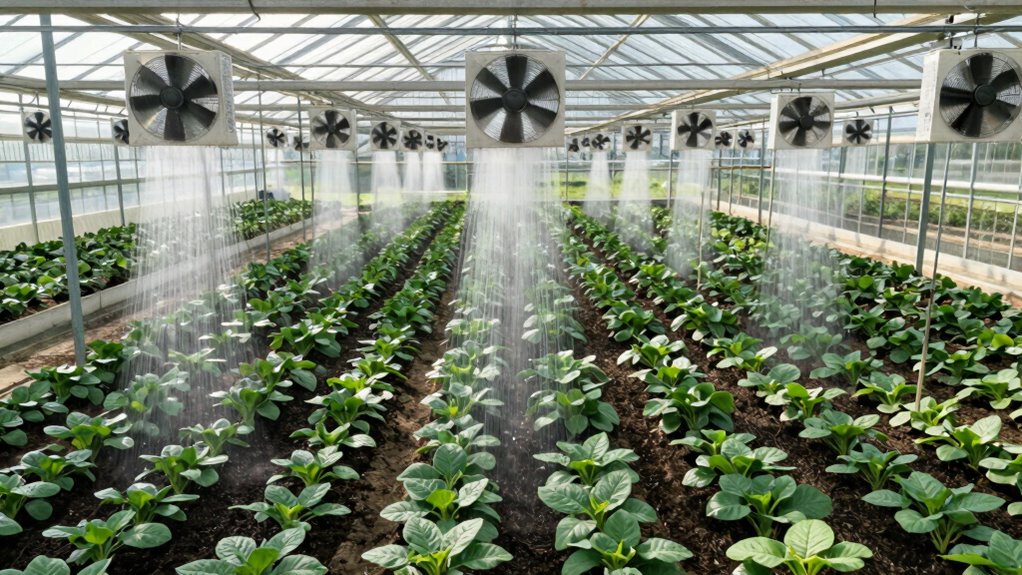
Fungal pathogens thrive in stagnant, humid environments where moisture lingers on plant surfaces and in the surrounding air. You need active air circulation to prevent these destructive organisms from establishing themselves in your garden.
Creating proper airflow strengthens your plants’ natural defenses while reducing disease pressure around vulnerable species. Consider these essential strategies:
- Space plants appropriately – Avoid overcrowding that traps moisture and blocks air movement between foliage.
- Prune regularly – Remove dead or dense growth to improve circulation within plant centers.
- Install fans strategically – Use gentle oscillating fans in greenhouses or indoor growing areas.
Good air movement prevents condensation buildup on leaves, which fungal spores need to germinate and spread.
You’re not just moving air – you’re creating an environment where beneficial organisms can thrive while pathogens struggle to survive. This proactive approach makes your garden more resilient naturally.
Water at the Right Time and Place
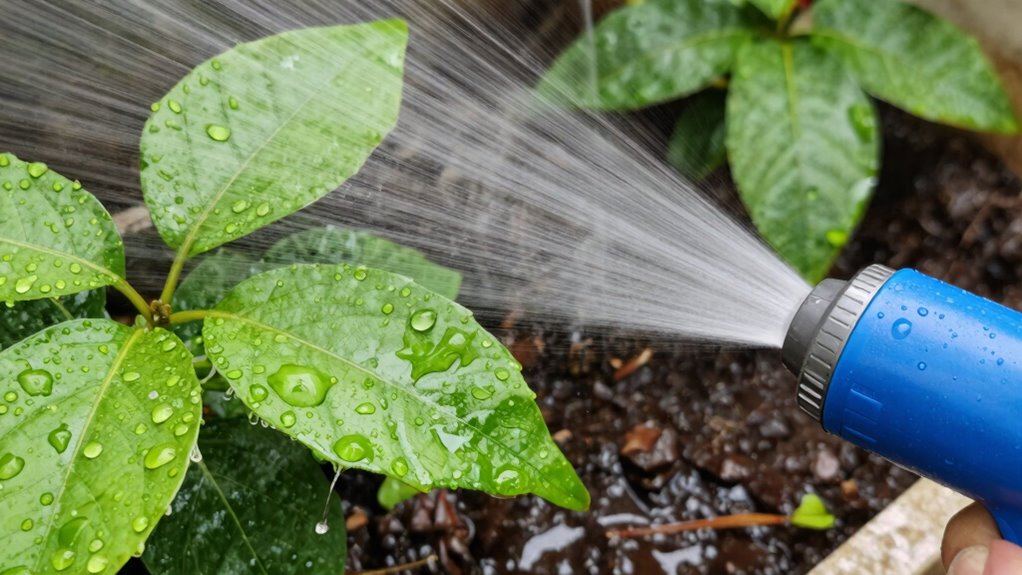
You should water your plants in the early morning to maximize evaporation time and minimize fungal disease development.
Avoid getting water on leaves for extended periods, as prolonged leaf wetness creates ideal conditions for pathogenic organisms.
Focus your irrigation efforts directly on the root zone where plants absorb water most efficiently.
Morning Watering Benefits
Watering your plants in the morning prevents fungal diseases by allowing foliage to dry quickly before evening approaches. You maximize plant health when you understand ideal watering timing.
- Dew Point Alignment: Morning watering works with natural dew cycles, helping plants start their day hydrated without prolonged moisture exposure that invites pathogens.
- Evaporation Efficiency: You benefit from faster water evaporation during peak daytime hours, reducing humidity around plant bases where fungi thrive.
- Root Absorption Peak: Plant roots actively absorb water more efficiently in morning hours when soil temperatures are cooler and metabolic processes begin ramping up for daylight productivity.
Morning watering becomes second nature when you see dramatic disease prevention results. Your plants respond positively to consistent, timed hydration.
This simple adjustment transforms your garden’s health trajectory while building your confidence as a preventive caretaker.
Avoid Leaf Wetness Duration
Extending the morning watering practice further enhances disease prevention by minimizing leaf wetness duration.
You should water early enough so foliage dries quickly, reducing pathogen establishment. Fungal spores require moisture to germinate and spread, making leaf wetness a critical disease factor you can control.
Avoid overhead watering methods that saturate leaves unnecessarily.
Focus on delivering water where plants need it most while keeping foliage dry. Early morning watering allows solar radiation and air movement to dry any accidental leaf moisture within hours.
You’re taking preventive action against common diseases like powdery mildew, leaf spot, and blight by managing leaf wetness duration.
Remember that even brief periods of leaf moisture can initiate disease cycles you want to prevent.
Strategic timing protects your plants while building confidence in natural disease management.
Target Root Zone Hydration
While morning watering supports rapid leaf drying, targeting water delivery directly to the root zone maximizes plant health while minimizing disease risk. You should focus irrigation efforts where plants need hydration most.
- Drip irrigation systems deliver water precisely to root zones, preventing unnecessary moisture on foliage that encourages fungal growth.
- Soaker hoses release water slowly at soil level, ensuring deep penetration while keeping leaves dry and healthy.
- Watering cans with narrow spouts help you direct water exactly where roots can absorb it efficiently.
Root-zone hydration prevents common issues like root rot and fungal infections. You’re supporting stronger root development while avoiding conditions that pathogens love.
Proper watering techniques create healthier plants that naturally resist diseases, making your gardening efforts more successful.
Mix Your Own Fungicide Spray With Common Items

One simple approach to creating an effective fungicide spray involves combining baking soda, liquid soap, and water in specific proportions.
You’ll need one tablespoon of baking soda, one-half teaspoon of liquid soap, and one gallon of water.
Mix these ingredients thoroughly in a clean spray bottle until completely dissolved.
This solution works by altering the pH level on plant surfaces, creating an environment where fungal spores can’t thrive.
Apply this spray preventively every seven to fourteen days during humid conditions when fungi are most active.
You should spray early morning or late evening to avoid leaf burn.
Test on small plant areas first to verify compatibility.
Store unused portions in a cool, dark place for up to one month.
Regular application helps protect your plants naturally.
Prune Diseased Parts Immediately to Stop Spread
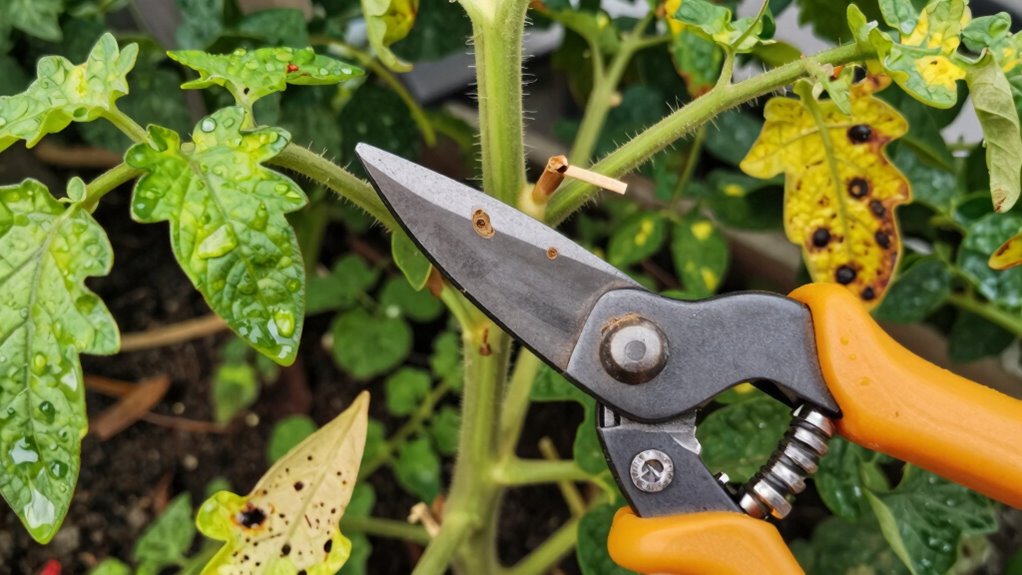
Remove infected plant tissue as soon as you notice disease symptoms to prevent pathogen spread to healthy parts. Quick action stops fungal spores and bacteria from multiplying and traveling through your garden.
You should focus on these key pruning practices:
- Cut 2-3 inches below visible disease symptoms to guarantee complete pathogen removal
- Make clean, angled cuts that allow water to run off rather than pool on wounds
- Dispose of infected material immediately in sealed bags, never compost diseased plant parts
Timing matters because pathogens reproduce rapidly under favorable conditions. Early intervention preserves plant health and prevents epidemic outbreaks in your garden community.
Your plants depend on swift, decisive action. Don’t wait until tomorrow when you can act today.
Proper pruning technique protects your entire garden ecosystem while maintaining plant vigor and productivity throughout the growing season.
Keep Tools Clean to Avoid Cross-Contamination
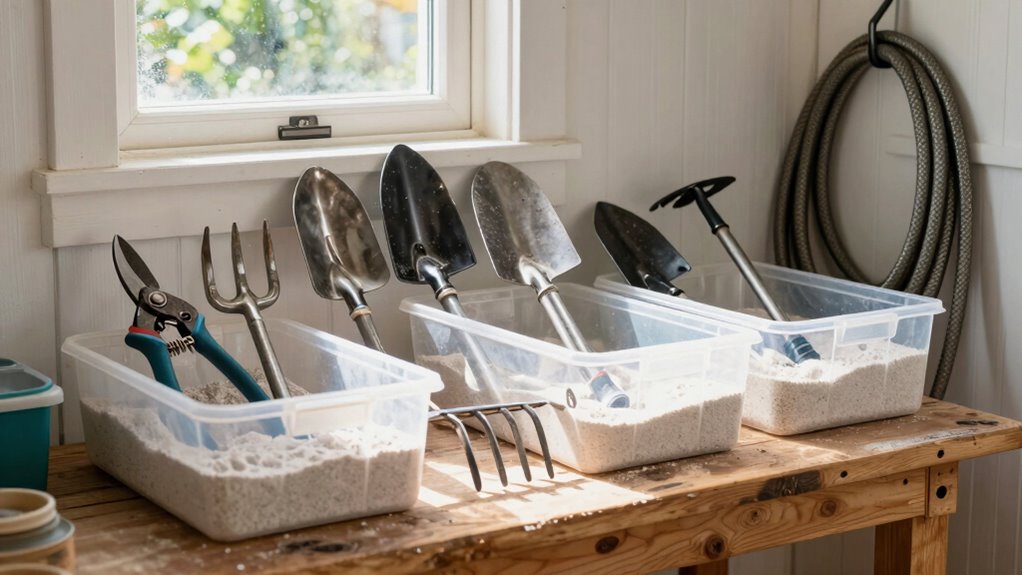
Because pathogens can survive on cutting tools for extended periods, you must sanitize equipment between plants to prevent transferring diseases from infected to healthy specimens.
Fungal spores, bacteria, and viruses cling to blades, shears, and pruners, creating invisible threats that spread rapidly through your garden. You should clean tools with 70% isopropyl alcohol or bleach solution after each cut, especially when working with diseased plant material.
Wipe blades thoroughly, paying attention to hinges and crevices where debris accumulates. Regular sanitization prevents cross-contamination between plants, protecting your entire collection.
Make cleaning part of your routine—keeping tools sterile guarantees you’re not inadvertently spreading pathogens while tending your garden. Your plants depend on your diligence.
Rotate Crops to Prevent Soil Diseases
You should rotate your crops annually to break disease cycles and prevent pathogens from building up in soil where susceptible plants grow repeatedly.
Implementing strategic rotation sequences disrupts pest and disease life cycles while improving soil structure and nutrient availability.
You can maximize these benefits by planning multi-year crop rotations that alternate plant families and incorporate cover crops during off-seasons.
Benefits Of Crop Rotation
While crop rotation may seem like a simple agricultural practice, it actively disrupts the life cycles of soil-borne pathogens that can devastate your garden. You break disease cycles by changing plant families in specific locations each season.
Consider these key benefits:
- Pathogen Population Reduction: You starve harmful organisms that depend on specific host plants, forcing them to die off or migrate.
- Nutrient Balance Restoration: Different crops utilize varying soil nutrients, preventing depletion and maintaining soil health for future plantings.
- Beneficial Microbe Enhancement: You encourage diverse microbial communities that suppress diseases naturally.
You become part of sustainable growing practices that protect your garden’s long-term productivity.
Rotation creates healthier soil ecosystems where beneficial organisms outcompete disease-causing pathogens, reducing your reliance on chemical treatments while increasing your harvest success.
Implementing Rotation Strategies
When planning your garden layout, rotating crop families systematically prevents soil-borne diseases from establishing persistent infections in your growing space.
You should group plants by family and move them to different locations annually. Pathogens specific to tomatoes, peppers, and eggplants (Solanaceae) build up when you plant these crops repeatedly in the same spot.
Brassicas like cabbage and broccoli deplete identical soil nutrients while encouraging similar fungal issues. Legumes fix nitrogen, benefiting subsequent plantings.
Root crops including carrots and beets don’t share disease cycles with above-ground vegetables. Plan four-year rotations minimum, tracking plant families through detailed garden maps.
You’ll disrupt disease lifecycles effectively while maintaining soil health. Document everything meticulously.
Your future garden’s success depends on these preventive measures today.
Add Helpful Bugs and Microbes to Fight Disease
Beneficial insects and microorganisms serve as nature’s own disease-fighting army, working tirelessly to protect your plants from harmful pathogens. You can boost your garden’s natural defenses by introducing these helpful allies.
- Ladybugs and lacewings devour aphids, mites, and other soft-bodied pests that spread viral diseases between plants.
- Bacillus subtilis bacteria colonize root zones, producing antifungal compounds that prevent damping-off and root rot.
- Beneficial nematodes patrol soil seeking fungus gnats, cutworms, and other soil-dwelling pests that compromise plant health.
You should release beneficial insects during early morning or evening when temperatures are cooler.
Apply microbial inoculants when transplanting or during active growing seasons.
These preventive measures create protective barriers around your plants, reducing disease pressure naturally while building stronger, more resilient garden ecosystems.
Mulch Properly to Shield Soil and Stems
Proper mulching creates a protective barrier that shields soil and plant stems from disease-causing pathogens while supporting the beneficial organisms you’ve introduced to your garden.
You should apply 2-4 inches of organic mulch around plants, keeping it several inches from stem bases to prevent moisture buildup that attracts fungi.
Mulch regulates soil temperature, retains moisture, and reduces splashing water that spreads pathogens from soil to foliage. You’re creating an environment where helpful microbes thrive while blocking harmful ones.
Choose materials like shredded leaves, straw, or bark that decompose slowly and don’t compact easily. Avoid fresh wood chips near vegetable gardens since they can temporarily reduce nitrogen availability.
You’re not just protecting plants; you’re building a supportive community ecosystem that naturally resists disease outbreaks.
Check and Fix Your Soil pH for Healthier Plants
Why do some plants thrive while others struggle with disease outbreaks in seemingly identical growing conditions? Your soil’s pH level greatly impacts plant health and disease resistance.
When pH levels fall outside ideal ranges, nutrients become unavailable, weakening plants’ natural defenses.
Test your soil pH annually using simple kits or professional services. Most vegetables and flowers prefer slightly acidic to neutral soil (6.0-7.0 pH).
- Adjust alkaline soil by adding sulfur, peat moss, or organic compost to lower pH levels
- Correct acidic soil by incorporating lime, wood ash, or crushed eggshells to raise pH values
- Maintain consistent pH through regular testing and gradual amendments rather than drastic changes
Proper pH prevents nutrient deficiencies that make plants susceptible to fungal infections and bacterial diseases.
You’ll notice stronger growth, better flowering, and increased resistance to common plant pathogens when pH levels are optimized.
Attract Insects That Eat Garden Pests
When you create a garden environment that supports predatory insects, you reduce pest populations naturally without relying on chemical interventions.
Plant diverse flowering species like marigolds, dill, and yarrow to provide nectar and pollen sources. These beneficial insects—including ladybugs, lacewings, and parasitic wasps—feed on aphids, caterpillars, and other destructive pests.
Install shallow water sources and avoid broad-spectrum pesticides that harm helpful bugs. Create habitat diversity with ground cover, mulch, and varied plant heights.
You’ll attract spiders, beetles, and hoverflies that consume hundreds of harmful insects weekly. Companion planting works synergistically with beneficial insect attraction.
When your garden ecosystem balances naturally, pest outbreaks become rare occurrences rather than recurring problems requiring constant intervention.
When Disease Strikes: Emergency Options
Fungal infections can devastate your garden within days if left unchecked, demanding immediate action to prevent widespread contamination.
You must act swiftly when disease strikes to protect your plants and maintain your garden’s health.
- Remove infected plant parts immediately – Cut away diseased leaves, stems, or fruits using sterilized tools to prevent spore spread to healthy tissue.
- Apply baking soda spray – Mix one tablespoon of baking soda with one gallon of water and spray affected areas to raise pH levels, creating an inhospitable environment for fungal pathogens.
- Improve air circulation – Prune overcrowded plants and space seedlings properly to reduce humidity levels that encourage disease development.
These emergency measures help you regain control when prevention fails, keeping your garden thriving.
Conclusion
You’ve learned the essential strategies for preventing plant diseases naturally. By choosing resistant varieties, spacing plants properly, using companion planting, and maintaining healthy soil, you’re creating an environment where diseases can’t thrive. Remember, prevention is always easier than cure. What if your garden became so healthy that pests and diseases simply couldn’t establish themselves? Stay vigilant, monitor regularly, and act quickly at the first sign of trouble.
